

If you’re looking for practical advice about traveling to Thailand, I’ve got good news. Actually — a lot of good news.
(An honest, relaxed guide for first-time travelers)
My wife and I have been traveling around Thailand for years. More than ten trips, dozens of destinations, famous islands and places most tourists never reach. We’ve crossed the country by car from Bangkok to the north, flown domestically more times than I can count, taken buses, ferries, speedboats — you name it. In short, we know Thailand not as “tourists on a schedule”, but as independent travelers who like to understand how things really work.
Another piece of good news: I genuinely enjoy sharing travel hacks, real-life experience, and yes — mistakes. I see this as one of the main missions of this site. My goal is simple: after reading my articles, I want you to land in Thailand feeling confident, not confused. Like someone who knows where they are — and why they came.
Ready? Let’s go.
How to Stop Freaking Out Before Your First Trip to Thailand
Anxiety is a mandatory part of your first trip to a new country. That’s why beginners either desperately look for travel buddies or binge-watch YouTube and read forums until their brain turns into a bowl of overcooked noodles.
Let’s do it differently.
Read this calmly, without panic — and your anxiety level will drop. Promise.
Here’s the first thing you need to know: Thailand is an easy country to travel. In my personal ranking, it’s easily in the top five countries for a first independent trip.
Logistics here are excellent. Getting from almost anywhere to anywhere else — including remote islands — is surprisingly simple. You buy one ticket on one website, and then the country gently carries you along: plane, bus, ferry or speedboat, and finally a local transfer that drops you right at your hotel door.
If we’re being honest, transport in Thailand sometimes works better than in Germany, and everyday comfort can beat parts of Italy, Romania or Albania.
After traveling through Myanmar, we used to return to Thailand feeling like we were coming home. People are friendly, systems mostly work, and help is never far away — without drama or attitude.
When Is the Best Time to Visit Thailand?
Once upon a time, the answer was simple: winter in Thailand, summer at home.
Climate change had other plans.
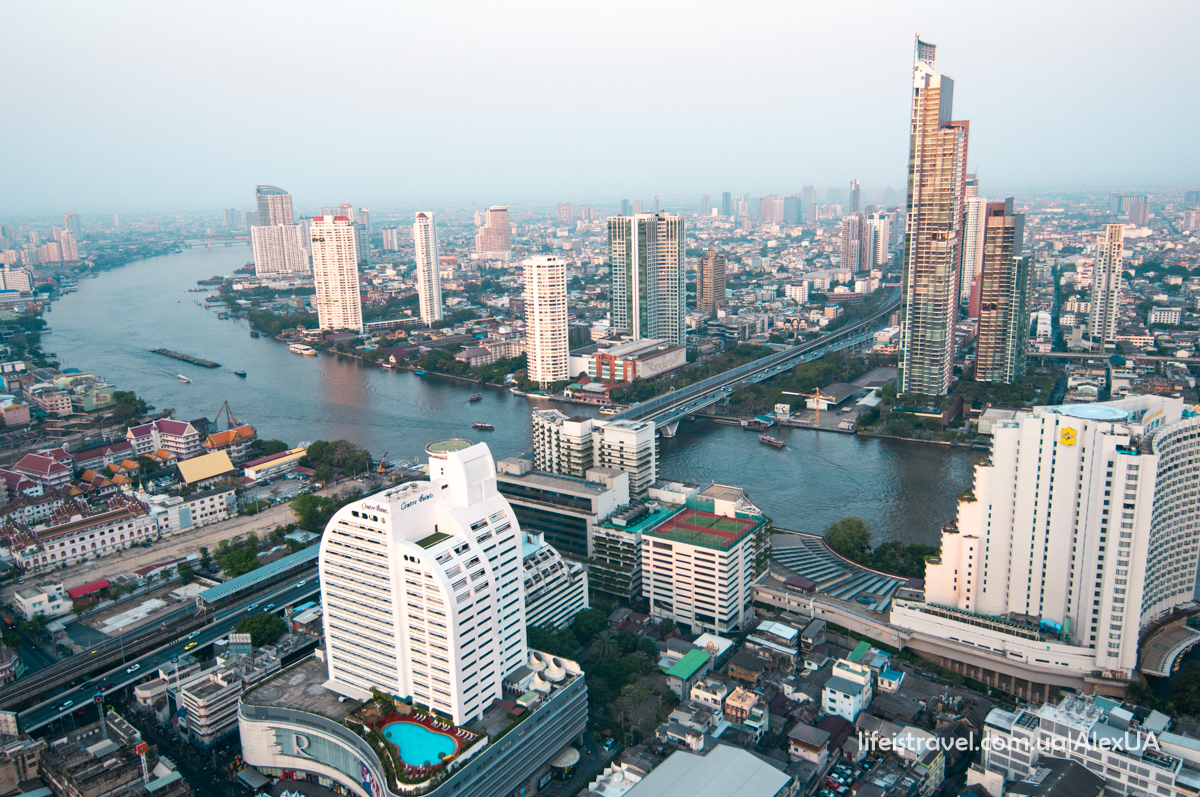
Generally speaking, the best months weather-wise are November through March. These are the cooler, drier months. Bangkok and the north can get a bit smoggy at times, but it never really ruined our trips.
February, however, is pure magic on the islands. The sea turns that perfect turquoise color, waves calm down, and suddenly every Instagram photo makes sense.
Temperatures during winter hover around 30–31°C (86–88°F) — dry, comfortable heat, not the “why am I melting” kind.
The so-called rainy season (roughly July to September) isn’t a deal-breaker either. This isn’t India-style monsoon. Most days bring short, dramatic showers — then the sun comes back like nothing happened.
Is Thailand Full of Scams?
There’s a stereotype that in Asia someone is always trying to scam you. Is that true in Thailand?
Yes — and no.
Thailand has far less scam culture than places like Egypt or Morocco. Scams do exist, but they’re usually low-level. You might overpay for street food, a tuk-tuk ride, or get quoted a “creative” taxi price if you don’t ask for the meter.
If you actively wander into sketchy places, you might run into trouble involving drugs or other shady business — but that’s just as true in Amsterdam or Hamburg.
The rule here is universal: use common sense. Don’t get drunk out of your mind, don’t wander into criminal neighborhoods, don’t break laws, and don’t collect suspicious “new friends”.
In all my years traveling Thailand, I’ve never had serious trouble. Funny enough, I’ve had far more close calls in Europe — but that’s another story.

What About English in Thailand?
Knowing a few Thai phrases never hurts. It’s basic respect — and it helps.
That said, English is widely spoken in tourist areas. Hotels, restaurants, transport — you’ll manage just fine. In remote northern villages, we sometimes relied on gestures and a handful of memorized phrases, and even that worked.
Honestly? You don’t need English to enjoy Thailand. Your trip won’t fall apart without it.
But like everywhere in the world, the more language you speak — English or Thai — the more doors open. And the less you look like someone who accidentally boarded the wrong plane.
How Long Should You Stay in Thailand?
This question sparks endless debates, but here’s the reality: two to three weeks is ideal for a first trip.
That’s enough time to explore Bangkok, relax on a couple of islands, and still feel like you’ve only scratched the surface — which is exactly what makes people come back.
That’s how it started for us. Bangkok, Phuket, Samui — and then Thailand slowly turned into a long-term love story. Even after seeing most major destinations, we still feel the pull every year.
Thailand also fits perfectly into a broader Southeast Asia trip. We’ve combined it with Cambodia, Myanmar, Singapore, Malaysia — the logistics are easy and flights are short.
If Thailand is just one stop, a minimum of one week makes sense. Less than that feels rushed.
Do You Need a Visa for Thailand?
For Ukrainians — and citizens of many other countries — no visa is required.
You arrive, get a stamp, and can stay up to 90 days. No paperwork, no stress, no embassy visits. A rare luxury in today’s world.
How to Get Around Thailand
In Bangkok, taxis and the metro are more than enough. Owning a car here would be a punishment.
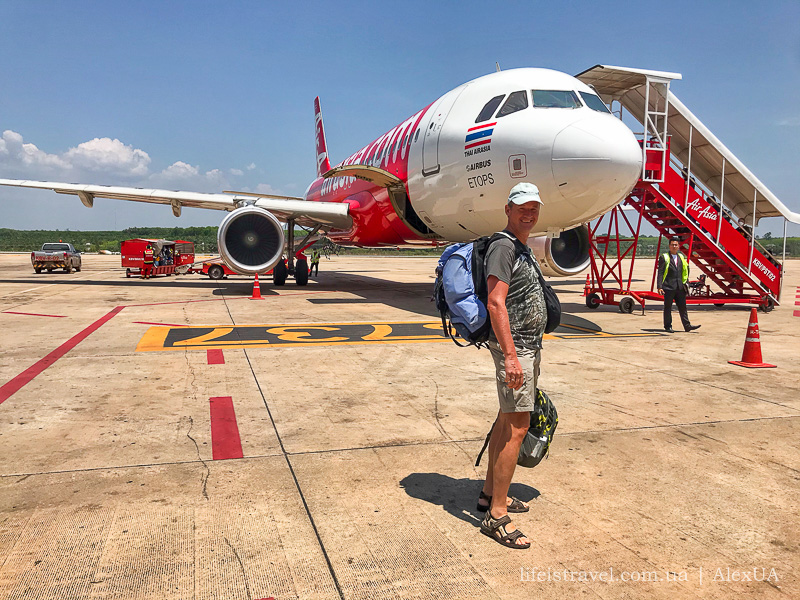
For long distances, domestic flights are the best option. They’re cheap, fast, and reliable. Buses come second, and some travelers enjoy overnight trains (I’m not one of them, but to each their own).
Reaching islands is easy with combinations like bus + ferry, bus + speedboat, or flight + ferry.
Grab works perfectly in Bangkok — think Uber or Bolt. Buy a local SIM card at the airport and you’re set.
Is Thailand Safe?
This is the most common question I hear.
Short answer: mostly yes.
Long answer: it depends on you.
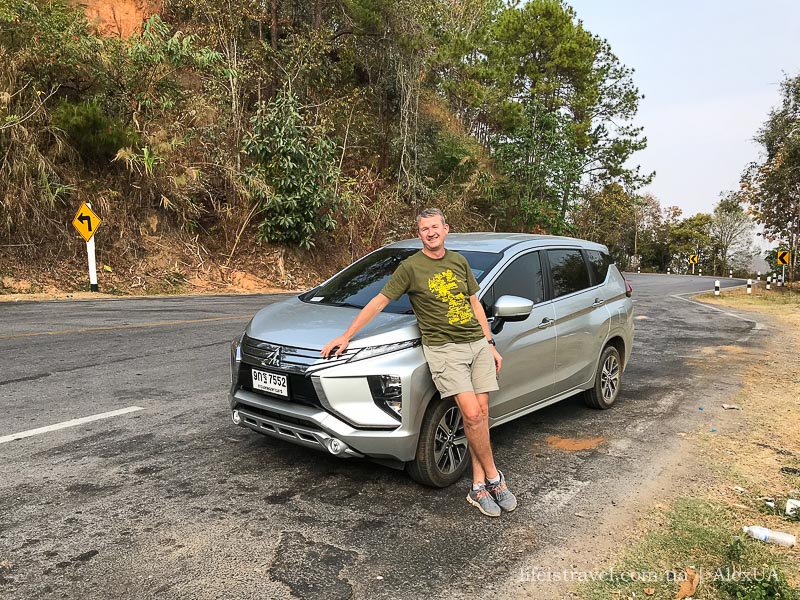
Yes, roads can be dangerous. That said, I’ve driven cars and bikes on islands and mountain roads in northern Thailand without issues. Follow the rules, stay alert, don’t play hero — and you’ll be fine.
Yes, there are diseases like dengue fever. No vaccine. Be mindful of mosquitoes.
Yes, crime exists — just like everywhere else. We once had a far more aggressive encounter in a parking lot in Switzerland than anywhere in Thailand.
Food poisoning happens too. Ironically, I got sick in Myanmar and waited to return to Thailand like it was a medical sanctuary — mainly because Thai pharmacies are excellent. (White Rabbit medicine saved the day, by the way.)
On the bright side, Thai people are genuinely kind. In major destinations like Bangkok, Chiang Mai, Phuket, Koh Lipe and Samui, safety and healthcare standards have improved dramatically.
What Should You Know Before Visiting Thailand?
Scams exist, but they’re the exception — not the rule.
If you go looking for trouble, you’ll probably find it.
If you come to travel, relax, and explore — Thailand delivers.
And yes, your first trip likely won’t be your last. So don’t try to see everything at once. That’s impossible anyway.
What Should You Avoid in Thailand?
Most “don’ts” are universal:
- Don’t break laws
- Don’t use illegal taxis
- Don’t do drugs
Specific to Thailand:
- Don’t ride elephants — bathing them is fine, riding is not
- Skip prostitution and everything around it
- Follow traffic rules if you rent a vehicle
You don’t need a car in Bangkok. On Phuket or in the north, renting a car or scooter can be very useful.
How Much Does a Trip to Thailand Cost?
A good baseline is $50 per person per day — without international flights. That’s the budget version.
Domestic flights are cheap — often starting around $20 one way.
For reference: two of us usually spent $1,400–1,600 for two weeks, comfortably but without luxury.
Final Thoughts
Thailand is one of the best countries on Earth for a first independent trip. It’s easy, diverse, welcoming, affordable, and endlessly interesting.
Yes, it has its quirks — but they’re manageable if you keep your head on straight and don’t chase unnecessary adventures.
Thailand doesn’t scare people away.
It pulls them back.
And chances are, after your first trip, you’ll already be planning the next one.
Useful Resources for Planning a Trip to Thailand:
- Flights: Find, book, and buy plane tickets to Thailand on the Aviasales website, which is more reliable than Skyscanner—I’ve checked. Use useful filters to find flights at the optimal price and airline, pay attention to layovers and arrival times.
- Hotels or Hostels: Use Booking.com or Agoda to search for accommodation, apply filters, and use the map search function to understand where the accommodation is located. Booking offers many options without prepayment and the possibility of free cancellation. Agoda specializes in Asia, with a slightly larger selection of budget hostels and small guesthouses.
- Travel Insurance: Many people hesitate or try to save money by not buying insurance. I recommend buying it; it’s not expensive, and in case of any issues, you won’t have problems with the clinic that provides assistance, and you’ll save a decent amount of money. Medical care in Thailand is excellent but expensive. In our 7 trips to this country, we used insurance only once, saving several hundred dollars plus the comfort of receiving assistance.
- Car Rental: Driving in Thailand is as easy as in Europe. The only difference is left-hand traffic, and it will take no more than 15 minutes to get used to driving on the right side. Rent a car on LocalRent-Thailand; they offer excellent conditions and fair prices, tested.
- Transportation in Thailand: Getting around with transportation in this country is very easy and straightforward—buses, ferries, trains, budget airlines. Buy tickets for all this in one place on the 12Go website.
- Internet and Mobile Communication: You can buy a local SIM card right at the airport. A more convenient option is to buy an eSIM from Airalo. You can download their app and be in touch immediately after the plane’s engines stop. You don’t need to buy a physical SIM card.
- Sightseeing Tour: There are attractions for which it is easier and cheaper to buy an organized tour; for this, there is the GetYourGuide platform. At least, check what tours are available from the place where you are staying.
Even with this short information, you have enough to organize everything yourself. Now, your main problem for the next couple of weeks will be choosing from hundreds of beautiful beaches and selecting a café where they make the tastiest Tom Yum.
Let’s go, it’s not difficult!


