

If you’re heading to the Canary Islands, sticking to just one island feels like watching only the trailer instead of the whole movie. For a first trip, the Tenerife + Gran Canaria combo is close to perfect. In this guide, I’ll explain how to get from Tenerife to Gran Canaria by plane or by ferry – quickly, affordably, and without unnecessary stress.
These two islands may be neighbors, but they have very different personalities. Combining them into one itinerary means you won’t be left thinking, “We should’ve seen more.” Trust me – both islands deserve their moment.

Flying from Tenerife to Gran Canaria
Inter-island flights in the Canaries are handled by Binter, a reliable regional airline with a solid track record.
Tickets are easy to book directly on the airline’s website. Prices usually range from €20 to €30 one way, and flights operate not only to Gran Canaria but across the entire archipelago.
Once you factor in airport arrival time and transfers, the time difference between flying and taking a ferry is minimal. So choosing between plane and ferry often comes down to personal preference.
Flying is usually preferred by travelers who don’t enjoy ocean swell when the Atlantic decides to show some attitude.
We went the other way – by ferry.
Ferry from Tenerife to Gran Canaria
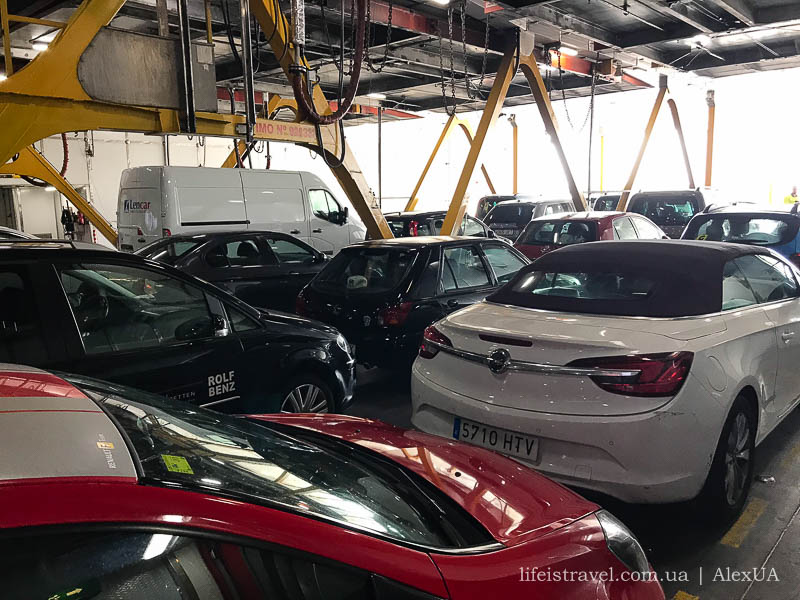
The ferry isn’t just convenient – it’s also the only option if you’re traveling with a car.
Two ferry companies operate between Tenerife and Gran Canaria:
- Armas – slower, slightly cheaper
- Fred Olsen – modern high-speed catamarans
Fred Olsen catamarans take about 1 hour 20 minutes. Ticket prices usually fall between €20 and €40 one way, depending on season and how early you book.
The ferries arrive at different ports, but this is hardly a problem:
- Armas: Santa Cruz de Tenerife → Las Palmas de Gran Canaria
- Fred Olsen: Santa Cruz de Tenerife → Agaete
A nice bonus: Fred Olsen includes a free bus from Agaete to Las Palmas, so even if your final destination is the capital, you’re covered.
Why We Chose Fred Olsen
We opted for Fred Olsen – faster, more comfortable, and arriving in Agaete, which is not just a port but a charming destination in its own right.
Since we had rented a car on Gran Canaria and picked it up directly at the port parking lot, we were able to start exploring the island immediately.
Boarding and Onboard Experience
Boarding takes place at Santa Cruz de Tenerife port. Just follow the signs marked Embarkment to the terminal building.
We arrived about one hour early, which gave us time to walk around the upper level of the terminal and enjoy views over the port and city – not a bad way to start the journey.
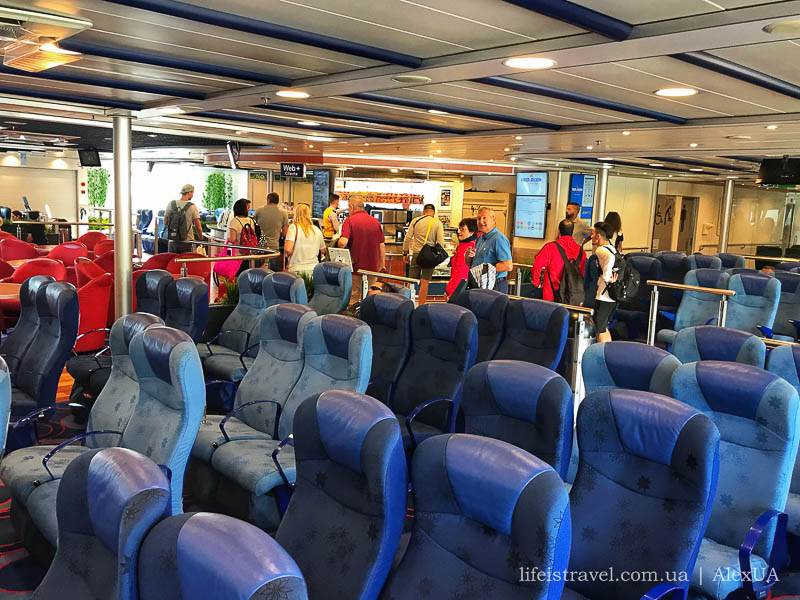
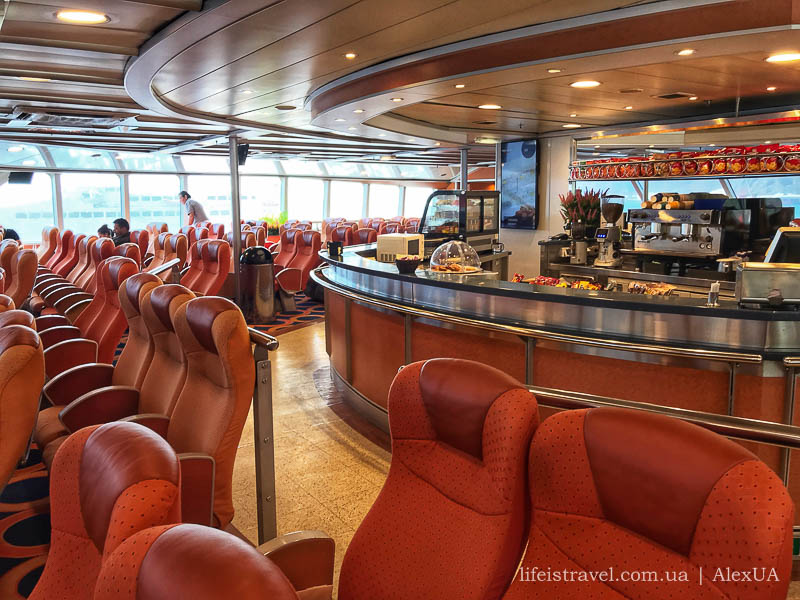
Inside, the ferry feels like an airplane without turbulence anxiety:
wide seating areas, airplane-style seats, power outlets, a snack bar. Wi-Fi exists, but don’t expect Netflix-level performance.
Large luggage can be stored in designated compartments; we kept our backpacks with us.
The sea was calm – early March, almost no waves. In case of strong storms, ferries simply don’t operate. Safety first, heroics later.
Tickets and Check-in
Tickets can be purchased online via Fred Olsen or Armas.
Printing isn’t required – a mobile ticket is enough, and often not even needed.
Boarding is done by passport. You show your document, get checked against the passenger list, and head onboard. Simple and efficient.
Hotels in Tenerife and Gran Canaria
We prefer having accommodation booked in advance. It keeps the trip relaxed and prevents last-minute panic scrolling in a taxi.
For hotels and apartments, we usually rely on Booking.com – familiar interface, wide selection, and predictable results.
Both islands offer everything from ocean-view apartments to solid mid-range hotels without unnecessary luxury markup. The key is choosing the right area and booking ahead.
Where to Rent a Car
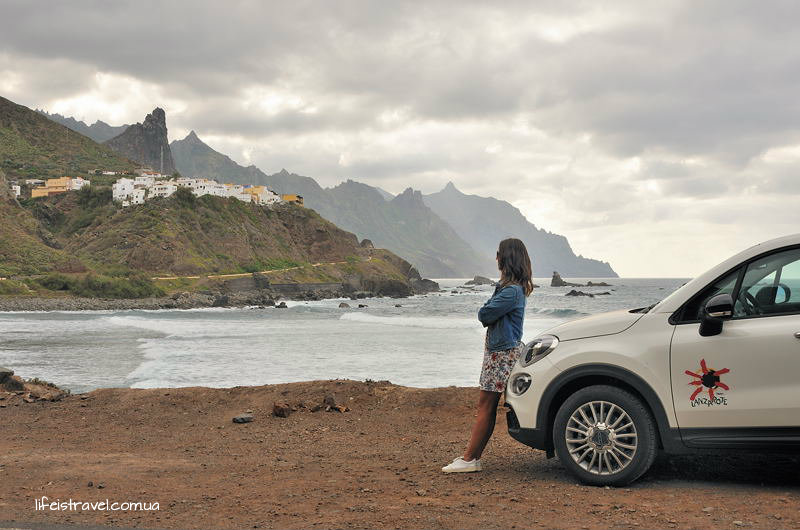
Car rental on Tenerife and Gran Canaria is as common as roundabouts. We booked our car through LocalRent.
The platform has worked well for us in other countries too: transparent pricing, decent car selection, and no hidden surprises.
There are deposit-free options, but with a deposit, you usually get more choice. We rented with a deposit – no issues on return, no nitpicking, and the deposit was refunded the next day.
On the Canary Islands, a car isn’t a luxury – it’s freedom.
FAQ: Getting from Tenerife to Gran Canaria
❓ What is the fastest way to get from Tenerife to Gran Canaria?
In terms of total travel time, flying and taking the Fred Olsen ferry are very similar. Flights are quick, but airport procedures add time. Ferries avoid airport hassle and go directly between city ports.
❓ How much does it cost to travel from Tenerife to Gran Canaria?
-
Flights (Binter) usually cost €20–30 one way
-
Ferries range from €20–40 one way, depending on season and booking time
❓ Which ferry company is better: Fred Olsen or Armas?
Choose Fred Olsen if you value speed and comfort.
Choose Armas if you want a slightly cheaper option and don’t mind a longer journey.
❓ Which ports do ferries arrive at in Gran Canaria?
-
Armas ferries arrive at Las Palmas de Gran Canaria
-
Fred Olsen ferries arrive at Agaete, with a free shuttle bus to Las Palmas included in the ticket price
❓ Can I take a car on the ferry between the islands?
Yes. The ferry is the only way to transport a car between islands.
It’s also a great option if you plan to explore Gran Canaria independently.
❓ Is the ferry ride rough?
In normal weather conditions, the ride is usually smooth and comfortable.
If the ocean is rough, ferries are cancelled for safety reasons, not delayed.
❓ Do I need to print my ferry ticket?
No. Digital tickets are accepted, and in many cases boarding is done by passport only, with passengers checked against the manifest.
❓ Where is the best place to book hotels in Tenerife and Gran Canaria?
Booking.com offers the widest selection and the most flexible options for both islands, from apartments to full-service hotels.
❓ Is travel insurance necessary for the Canary Islands?
Yes. Travel insurance is strongly recommended, even for safe destinations. It’s inexpensive and can save significant money and time in case of medical issues or disruptions.
❓ Do I really need a car on Tenerife or Gran Canaria?
If you want to explore beyond beaches and city centers, renting a car is highly recommended. It gives you flexibility and access to remote viewpoints and villages.
❓ How far in advance should I book flights or ferries?
Booking a few weeks in advance usually guarantees better prices, especially during high season. Last-minute options exist but are less predictable.
Tools We Use for Trip Planning
A short list of websites that help us solve almost any travel-related task:
- Aviasales – for finding budget flights worldwide
- Booking.com – accommodation booking made easy
- LocalRent – car rental in popular travel destinations with free cancellation
Less chaos, more control.


